Stories

Angela Hucker Is Building More Than Just Structures — She’s Building a Movement

“Construction chose me. And I chose to change it.” – Angela Hucker

Angela’s journey—from growing up in her family’s landscaping business to delivering landmark projects across Australia—is anything but conventional. Today, she’s not just breaking ground in construction; she’s building cultures of care, inclusion, and equity.

As the first of ten powerhouse women featured in this series, Angela opens up about:

  • Leading with empathy in high-stakes environments
  • The founding of EPIC in response to FIFO industry burnout
  • Shifting the narrative for women in construction
  • Why respect, not just resilience, should be the benchmark

“Construction chose me. And I chose to change it.”

Angela’s story is a bold call to action—to amplify women’s voices, reshape outdated perceptions, and build a more inclusive industry for future generations.
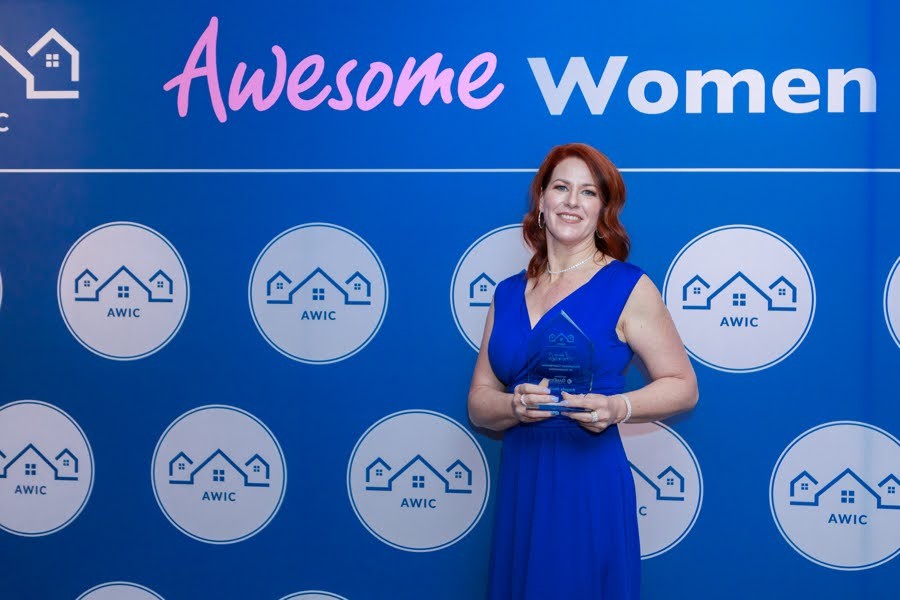
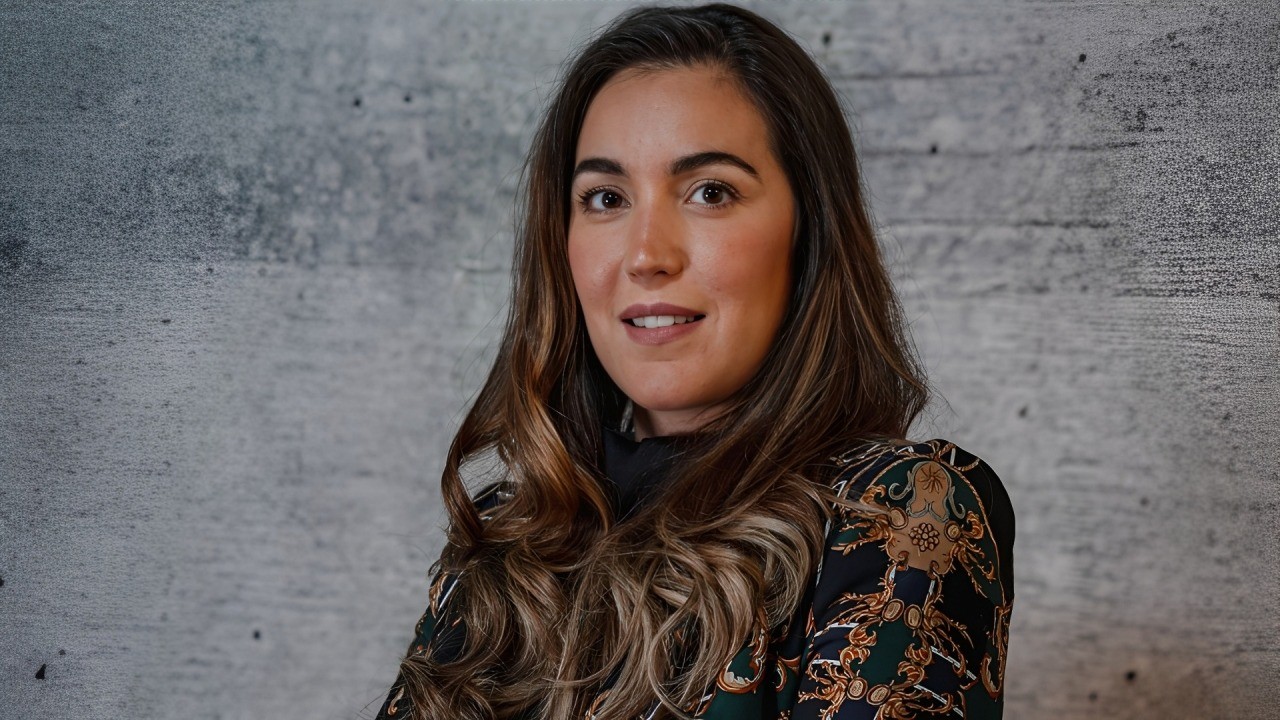
Can you share your journey into the construction industry? What inspired you to pursue this career, and what is your current role?

My journey into construction started early through my family’s commercial landscaping business. I was surrounded by site work from a young age, which gave me a natural understanding of how things are built. But my actual re-entry came unexpectedly in my mid-20s during a sailing trip along the Queensland coast. I stopped in Hervey Bay and took a role in building the Peppers Pier Resort, the first 5-star hotel in the region. From there, construction became more than a job. It became a career, a passion, and a calling.

In many ways, construction chose me. What inspired me to stay was the constant challenge, the sense of purpose, and the incredible people. Over the years, I’ve worked on mega-projects across Australia and internationally in the oil and gas, renewables, power, and civil infrastructure sectors.

Today, I’m the CEO and Founder of EPIC—Empowering People In Construction. I also serve as a Probity Advisor for the Tasmanian Government, a Tribunal Member with the Department of Justice, and sit on various committees for NAWIC. These roles allow me to not only build structures but also help build better systems and cultures within our industry.

What has been the biggest challenge you have faced as a woman in construction, and how have you successfully navigated it?

One of the biggest challenges has been earning respect in high-stakes environments where contracts and disputes worth hundreds of millions are on the line. In those moments, I’ve often been questioned, doubted, and undermined by those who treated me like I didn’t belong in the room. I’ve learned to respond with clarity and calmness, call out disrespect, set boundaries, and let my results speak for themselves. I also believe it’s important to model respectful leadership so others, especially women, don’t feel like they have to shrink to succeed.

What do you think are the most significant barriers preventing more women from entering the construction industry, and how can ambassadors like yourself help break down these barriers?

The biggest barrier isn’t capability; it’s perception. There’s still a deep-seated stereotype that construction means long hours, no flexibility, outdated attitudes, unsafe environments, and systemic harassment. And sadly, some of those things still exist. But they aren’t the whole story.

Ambassadors like me can shift the narrative by being visible, sharing real stories, and showcasing the upside, like working on landmark projects, travelling the country, building a legacy, and finding a second family in your team. It’s about showing that construction can be a place where women thrive, not just survive

What strategies do you use to make your voice heard among the few women on worksites or in meetings?

Early in my career, I listened more than I spoke. That gave me clarity, not just about what I wanted to say, but how to say it in a way that added value. Over time, I built confidence in my voice and learned to hold space even when I was the only woman in the room. I don’t speak for the sake of it; I speak with purpose. That’s been key in earning trust and building influence.

What actions or initiatives would you suggest to create more inclusive spaces for women in the construction industry?

Inclusion needs to be a two-way street; education can’t just target women entering the industry. We must actively engage men, leadership teams, and frontline workers to reshape outdated mindsets. Inclusion isn’t about quotas or token roles; it’s about creating a culture where women are seen as equals, not exceptions. It means ensuring women are paid equally, treated respectfully, and given equal promotion opportunities.

"Be kind always; none of us knows the silent battles someone is dealing with." - Angela Hucker.

Do you believe ambassadors are more prominent in today’s generation than 10 years ago? If so, how has this role evolved, and why is it significant in driving change?

Absolutely. Ten years ago, female ambassadors in construction were almost unheard of. Today, we are visible, vocal, and pushing boundaries, and that visibility matters. Representation changes outcomes.

The ambassador role has evolved from symbolic to strategic. It’s no longer about “being the first” or “only”; it’s about lifting as we climb. Ambassadors now use platforms like LinkedIn, public speaking, and media to inspire, inform, and influence. We are proof that women don’t just belong in construction; we lead it.

What impact do you hope to achieve through your role as a Women Building NSW Female Ambassador, and what legacy would you like to leave for future generations?

I want to inspire more people to believe they can achieve anything if they back themselves. I want women to see construction as a place where they can build infrastructure, confidence, careers, and community. I shall know I have done my part if I leave this industry more inclusive, balanced, and sustainable for the next generation.

“Be kind always; none of us knows the silent battles someone is dealing with.”

Who has been a key mentor or role model in your journey—male or female—and how have they influenced your career and leadership style?

One of the most influential mentors in my career was a construction manager with whom I worked during a FIFO project. We were meant to be there for six months and finished 32 months later. The roster was brutal: four weeks on, one week off, 14-hour days, and his leadership kept me going. He led with care and strength, never losing sight of the human side of the work. That balance of compassion and resilience profoundly shaped how I lead today.

Can you share a formative experience that shaped your leadership vision and approach? How has this influenced your role as an ambassador in mentoring and supporting others?

Seeing colleagues mentally and emotionally struggle in the FIFO world was a turning point. It was the reason I founded EPIC. I knew we needed more support, awareness, and a new approach to leadership that prioritises people more than profit. That experience shaped my philosophy: you never know what someone else is going through, so lead with empathy. Sometimes, kindness can be the thing that keeps someone going.

Kindness is central to how I mentor others. I have seen how one conversation, one gesture, can be life-changing. In this industry, toughness is often praised, but true leadership is about being strong and supportive. That is the energy I try to bring to show that success and compassion can co-exist.

What milestones has the construction industry achieved in advancing gender equality, and what initiatives or changes would you like to see to make it more inclusive and welcoming for women?

The fact that construction is now actively promoted as a viable career for women is a huge milestone. Ten years ago, we were not even on the radar. There are scholarships, ambassador programs, dedicated pathways, and public campaigns. But we still have work to do. Women still face pay gaps, poor treatment, and slower career progression compared to their male counterparts.

I want to see a shift in culture where women aren’t seen as a “diversity hire” but as equal contributors. I want to see more flexible work options, leadership development for women at every level, and zero tolerance for discrimination, bullying, inequity and harassment. And I want these initiatives to be led by both men and women.

What is your advice for women considering a career in construction, and how can ambassadors like yourself help make their journey smoother?

Say yes. Step in. This industry can take you places you never imagined. You will work on projects that shape cities, meet people who become family, and gain skills that open doors worldwide. And know you are not alone when things get tough (because they will). People like me and many others are here to back, guide, and support you, so the road is a little smoother than we have experienced.