Stories

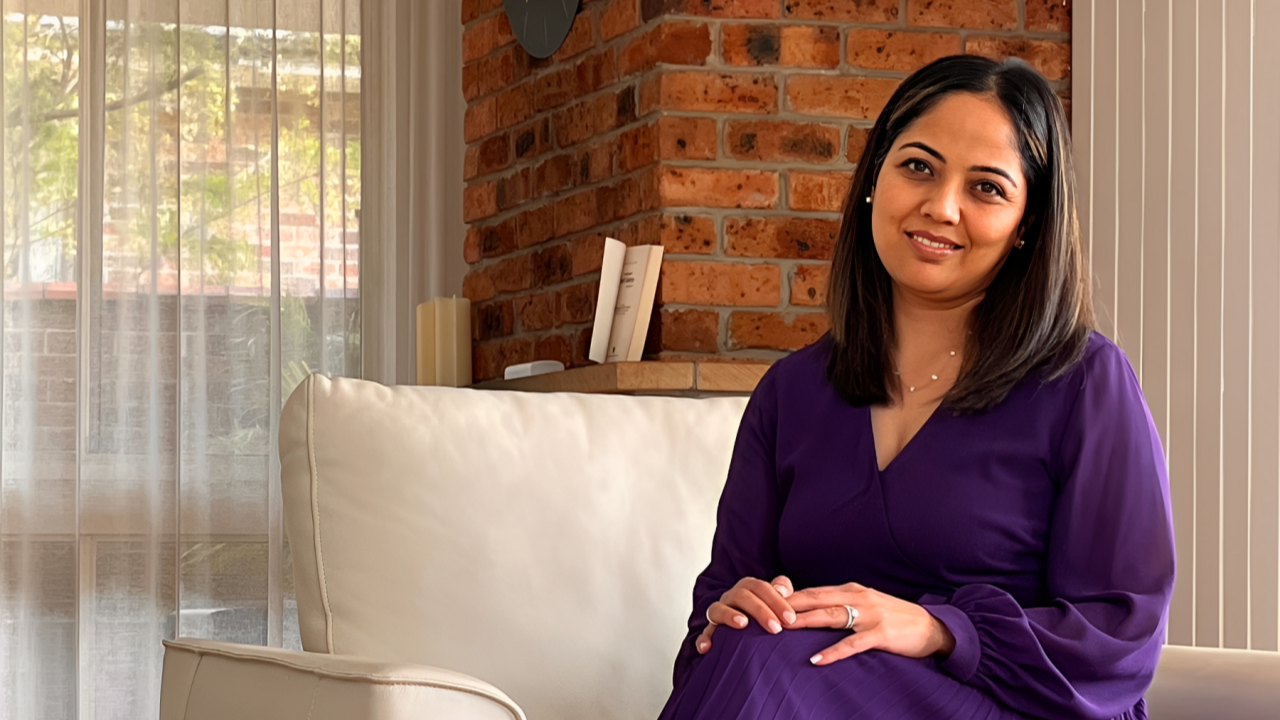
Divya Mehta Is Building Legacies, Not Just Skylines

“As a mother, immigrant and CEO of Decode, I’ve learnt that diversity isn’t a checkbox. It’s the scaffolding for innovation.” – Divya Mehta

From her roots in India’s architecture scene to leading multiple $100M+ projects as CEO of Decode Group, Divya’s story challenges every assumption about who belongs in construction. She proves that the best teams aren’t built by ticking diversity boxes but by embracing it.

As the CEO of Decode Group, Divya opens up about:

  • Leading with impact in an industry where women are still the minority
  • Balancing motherhood and executive leadership without compromising either
  • Building inclusive, high-performing teams that reflect the world we live in
  • Why visibility, mentorship, and bold representation matter more than ever

“As a mother, immigrant and CEO of Decode, I’ve learnt that diversity isn’t a checkbox. It’s the scaffold for innovation. You need the best teams to build $100m+ projects, and the best teams are built with diverse perspectives, skills, and backgrounds.”

Divya’s story is a rallying cry for inclusion, ambition, and legacy — proof that resilience does not look one way.

Can you share your journey into the construction industry? What inspired you to pursue this career, and what is your current role?

I’ve always been drawn to the built environment and how spaces shape our lives, work, and interact. My journey began with architecture—growing up in India, my father, a contractor, deeply respected architects and their impact on construction. That early influence and my passion for design and problem-solving naturally led me into the field.

After completing my studies, I worked in architecture before transitioning into project management, eventually leading me to Decode Group. Over the past 12 years, I’ve had the privilege of growing with the company and taking on increasingly strategic roles. Today, as CEO of Decode Group, I ensure that every facet of our business aligns with our vision for construction excellence and sustainable growth. My role concerns leadership, governance, and driving initiatives that build great projects and contribute to a more transparent construction industry.

What has been the biggest challenge you have faced as a woman in construction, and how have you successfully navigated it?

One of the biggest challenges has been navigating an industry where women remain underrepresented, especially in leadership roles. Early in my career, it was common to be the only woman in a meeting or on-site; sometimes, I had to prove my capability in ways that my male counterparts often didn’t.

To overcome this, I focused on leading with action—delivering results, being solutions-driven, and building strong relationships based on trust and performance. I also had to learn to project confidence, even in moments of doubt. Over time, I realised that the key to overcoming these barriers wasn’t just about proving myself individually but also about fostering an environment where diverse perspectives are valued. Now, as a leader, I work to ensure that Decode is a place where talent is recognised on merit, regardless of gender or ethnicity.

What do you think are the most significant barriers preventing more women from entering the construction industry, and how can ambassadors like yourself help break down these barriers?

The biggest barriers are cultural perceptions, lack of visible female role models, and limited access to opportunities. Many women don’t consider construction a viable career path because they don’t see enough representation at senior levels or in technical roles.

As an industry, we need to actively change this narrative—through mentorship, outreach programs, and workplace policies that support women’s career progression. Ambassadors play a critical role by sharing their journeys, advocating for inclusive hiring practices, and demonstrating that leadership in construction isn’t defined by gender but by capability.

What strategies do you use to make your voice heard among the few women on worksites or in meetings?

I’ve learned that being well-prepared, direct, and solution-focused commands respect in any room. I also make it a point to listen first and speak with intent—when you consistently contribute valuable insights, people notice.

What actions or initiatives would you suggest to create more inclusive spaces for women in the construction industry?

To create more inclusive spaces, we need systemic change—companies must actively support gender diversity by implementing policies such as flexible work arrangements, leadership training for women, and zero-tolerance approaches to bias and discrimination. But beyond policies, it’s about culture. We need to normalise seeing women in all roles, from site management to executive leadership, and that starts with fostering an environment where inclusion is embedded into everyday interactions.

“They said construction wasn’t for women. They said I was an outsider. But grit doesn’t come with a passport—it’s built within...." - Divya Mehta.

Do you believe ambassadors are more prominent in today’s generation than 10 years ago? If so, how has this role evolved, and why is it significant in driving change?

Absolutely. Ten years ago, discussions around diversity in construction were happening, but they weren’t as action-driven as they are today. There’s a stronger push for representation, and ambassadors play a critical role in shaping that progress.

Today’s ambassadors are more than just advocates—they are active participants in creating change through mentorship, policy influence, or industry-wide initiatives. Their role is significant because visibility matters—when young professionals see leaders who look like them and share similar experiences. It reinforces the belief that they, too, can succeed in this industry.

What impact do you hope to achieve through your role as a Women Building NSW Female Ambassador, and what legacy would you like to leave for future generations?

I want to see a future where gender isn’t a talking point in construction—it’s just a given that talent, regardless of gender, is recognised and valued. Through my role, I hope to drive real, measurable progress—whether it’s through increasing the number of women in leadership, improving retention rates, or ensuring more companies adopt inclusive policies.

The legacy I want to leave is one of opportunity. I want to ensure that the next generation of women entering this industry finds fewer barriers and more pathways to leadership. I’ll consider that success if I can help create an environment where women feel supported, empowered, and confident in their careers.

“They said construction wasn’t for women. They said I was an outsider. But grit doesn’t come with a passport—it’s built within. So, to every woman & mother in construction balancing hard hats and bedtime stories: You’re not just building projects. You’re building legacies.”

Who has been a key mentor or role model in your journey—male or female—and how have they influenced your career and leadership style?

One of my greatest mentors has been Sam El Rihani, Decode’s Founder and Chairman. His leadership, commercial acumen, and belief in providing opportunities have shaped how I lead today. He has always emphasised the importance of taking calculated risks, thinking strategically, and creating a culture where people can reach their full potential.

His mentorship reinforced my belief that leadership isn’t about authority—it’s about creating an environment where people feel supported and challenged to do their best work. That’s the approach I bring to Decode every day.

Can you share a formative experience that shaped your leadership vision and approach? How has this influenced your role as an ambassador in mentoring and supporting others?

A defining moment was when I became Managing Director. From when I entered the industry, that had always been my goal; I’d always wanted to run a business. It was immensely gratifying, but even driving home, I thought, ‘What next?’

I had achieved the objective I had set out to achieve, but was that all I could be? I realised then that I had not thought beyond this goal, and now that I was there, I was not content to sit on my hands and stagnate. That’s when I found the value of truly dreaming big with aspirations set in the stars that drive you.

Of course, you still need achievable goals you can feel proud to achieve, but don’t let them restrict your potential. In my leadership, I pass on this learning by sharing my experiences, big and small, to help others find the big aspirations that will drive them. It’s a true privilege to be in a role where I can help others achieve their potential and reach for their dreams.

What milestones has the construction industry achieved in advancing gender equality, and what initiatives or changes would you like to see to make it more inclusive and welcoming for women?

We’ve made progress in normalising female leadership in construction and creating stronger networks for women in the industry. More companies are recognising the need for diversity, and we’re seeing targeted recruitment programs, parental leave policies, and leadership development initiatives to support women.

However, there’s still work to be done, especially for working mothers like myself in construction. We need to focus on retention—ensuring women enter the industry, have clear pathways for advancement and are not disadvantaged by their choice to have children. That means investing in sponsorship programs, strengthening workplace cultures, and making diversity an ongoing priority, not just a talking point.

What is your advice for women considering a career in construction, and how can ambassadors like yourself help make their journey smoother?

My advice is simple—back yourself and dream big. Construction is an industry that rewards resilience, problem-solving, and leadership. Don’t be afraid to take up space, ask questions, and challenge the status quo.

As ambassadors, we can make the journey easier by opening doors, sharing knowledge, and advocating for policies that remove barriers. Change happens when we actively support each other, and I’m committed to ensuring that the next generation of women in construction finds a path that is not just open but welcoming.