Stories

Lauren Fahey Is Driving Inclusion From The Outside In

“It’s not just about getting women through the door — it’s about making sure they feel seen, heard, and supported once they are inside.”- Lauren Fahey

Though she does not wear a hard hat, Lauren Fahey has spent more than six years breaking down the cultural barriers that keep women out of the industry — and changing the narrative from the ground up. Now, as Executive Director at NexGen, she is shaping how the next generation sees construction: a space where they belong, lead, and thrive.

  • Executive Director of NexGen, focused on empowering young people to enter and transform the construction industry.
  • Advocate for behaviour change and inclusion, with a mission to make construction better for everyone, especially women.
  • Drives awareness and engagement by speaking at schools and mentoring future leaders, demystifying the construction industry
  • Addresses systemic bias by challenging assumptions about who belongs in the industry — and why
  • Leverages lived experience outside traditional construction to spotlight blind spots and expand the industry’s potential.
  • Influences cultural and workplace shifts through partnerships with businesses seeking to improve diversity and inclusion
  • Backed by a network of strong mentors, she pays it forward through support, visibility, and advocacy for women at all levels.
  • “It’s not just about getting women through the door — it’s about making sure they feel seen, heard, and supported once they are inside.”

    In this feature, Lauren reflects on her journey from the periphery of construction to its heart, and why driving real change starts with asking better questions, backing yourself, and building a future where everyone belongs.

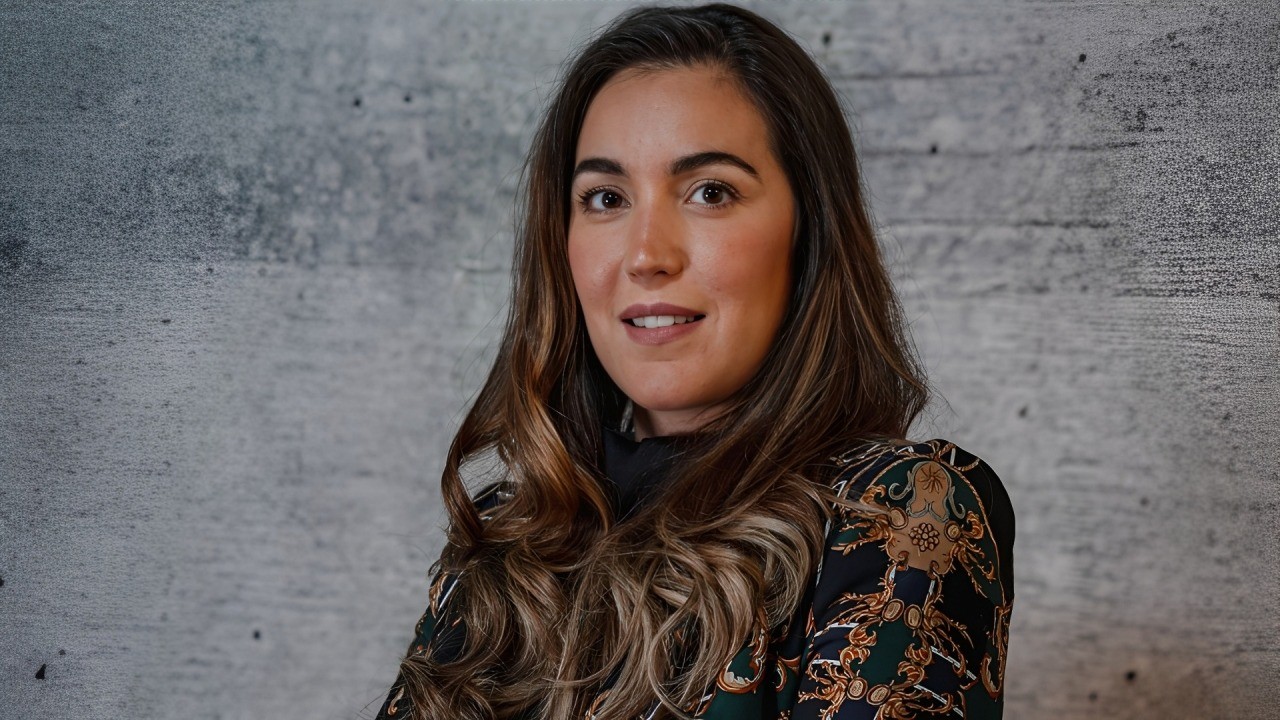
Can you share your journey into the construction industry? What inspired you to pursue this career, and what is your current role?

My journey into construction was not through a trade, but through advocacy. For over six years, I have been fighting to change the culture of an industry that too often shuts people out, especially women. I have been told I am not “in” construction because I am not on-site. But here is the truth: you do not need steel caps to shake the ground.

As Executive Director at NexGen, I lead programs that introduce construction to the next generation, not just as an option, but as a place where they belong. We go into schools, open minds, and help rewrite the story of what a construction worker looks like. It is not about box-ticking diversity. It is about creating a more intelligent, more balanced, and ready industry for the future.

My work is changing lives and changing an industry that desperately needs it.

What has been the biggest challenge you have faced as a woman in construction, and how have you successfully navigated it?

I have had my legitimacy questioned more times than I can count, not because of my skills or results, but because I am not a woman in construction. I have been told I do not belong. That I am not the “right fit.” That I do not have a voice because I am not a tradie or have a role in construction. It is a subtle but persistent gatekeeping that says you cannot shape the industry if you are not holding a hammer.

Well, I am shaping it anyway.

It hurts, of course it does. But I turned that sting into fuel. I know my impact. I know the stories I have helped rewrite. I kept showing up, speaking out, and building programs that open the gates for others, especially those told they do not belong.

This is not just about gender. It is about who we allow to have influence, and how narrow that definition has been for too long. I am here to change that, and I shall not apologise for it.

What do you think are the most significant barriers preventing more women from entering the construction industry, and how can ambassadors like yourself help break down these barriers?

The most significant barrier is not a lack of awareness but a lack of will.

We cannot keep pretending young women are not interested. They are. I have met hundreds of them. They are intelligent, capable, and keen. The problem is that they look at this industry and see a culture that was not built with them in mind, and in many cases, it is still not safe or supportive.

Small businesses and subcontractors play a considerable role here. Many still do not see the value in hiring women, or they say the ‘right one has not come along.’ That is not a pipeline issue; that is bias, plain and simple. And it is costing the industry talent it desperately needs.

As an ambassador, I challenge the narrative and do not just visit schools and discuss what is possible. I bring the industry into classrooms, and the classroom into industry. I help young women see themselves in these roles, and then I hold the door open. But inspiration alone will not cut it.

The industry must step up, recruit fairly, confront the lunchroom culture, and stop treating inclusion as optional. We do not just need to invite women in; we must ensure they want to stay.

What strategies do you use to make your voice heard among the few women on worksites or in meetings?

You do not have to be on a worksite to know what it feels like to have your ideas hijacked, ignored, or quietly rebranded as someone else’s. I have had it happen more times than I care to count by men and women.

Early in my career, I learned the value of a trusted ally in the room. Someone who already knew what I brought to the table and was unafraid to back me in when the credit started shifting sideways. That is not a weakness; that is a strategy. And it works.

But I have also learned when it is time to walk away. I have left roles where my voice was consistently devalued. Here is the truth: You are probably in the wrong room if you have to shout to be heard. Staying somewhere that silences you is not loyalty; it is self-abandonment.

We all deserve to be in spaces where our contributions matter. And sometimes the boldest move is not speaking louder, it is choosing to stop wasting your brilliance on people who do not value it.

What actions or initiatives would you suggest to create more inclusive spaces for women in the construction industry?

Start with the basics! Safe toilets, proper PPE that fits, and zero tolerance for sexism, not just on paper, but in practice. If we cannot get those right, no campaign or mentorship program will fix it.

Next, stop hiring women as a favour to diversity and start hiring them because they are damn good at what they do. Promote them. Pay them equally. Give them leadership roles without making them prove themselves twice.

We also need to rewire the culture, and that starts early. I am talking school programs, visible female leaders, and male allies who know when to speak up and when to step aside. Inclusion does not happen through posters and hashtags; it occurs through accountability, consistency, and leadership that leads.

This industry will not become inclusive by accident. It will take guts, policy, and people willing to challenge “how it has always been.” I am here for that fight and want more people to join me in it.

"When we open the door for women, we don’t just create opportunities, we shift the standard for what’s possible." - Lauren Fahey

Do you believe ambassadors are more prominent in today’s generation than 10 years ago? If so, how has this role evolved, and why is it significant in driving change?

Ten years ago, being an ambassador often meant wearing a badge and showing up for a photo. Today, it is about showing up for the fight.

This generation is not interested in tokenism; we want transformation. We have ambassadors who are not just smiling for the camera; we are rewriting the script. We are mentoring, pushing policy, challenging bias, and calling out systems not built for us. And we are doing it loudly.

Being an ambassador is not about visibility; it is about accountability. If I say I am here to get more women into construction, every decision I make has to move that goal forward. No fluff, no filler.

Ambassadors matter now more than ever because we are not just hoping for change but forcing it. And the industry is finally starting to listen.

What impact do you hope to achieve through your role as a Women Building NSW Female Ambassador, and what legacy would you like to leave for future generations?

I do not want a legacy with my name on it; I want one where women’s names are finally on the door.

Through my role, I want to leave behind a construction industry that looks nothing like the one I walked into, but rather an industry where women do not have to fight to be seen, heard, and taken seriously. I want more women in boots and boardrooms, shaping the future of this industry because they were supported, not sidelined.

My job as an ambassador is not just to inspire; it is to provoke, push, and make people uncomfortable if that is what it takes to drive real change. I want companies to hear my words and do better. I want young women to see this space and think, “Yes, this is for me.”

I have done my job if more women enter construction, stay in it, and rise through it because of the groundwork I helped lay. That is the legacy I am building. Not for recognition. But for change.

Who has been a key mentor or role model in your journey—male or female—and how have they influenced your career and leadership style?

There is one woman who shaped me more than anyone else: my mum.

She taught me strength without needing a spotlight. I watched her overcome adversity with grit, grace, and zero excuses. She did not talk about resilience; she lived it. She held our world together, and did it all without asking for recognition.

Everything I have built, my leadership, my voice, my refusal to settle for less, traces back to her example. When I face challenges, I hear her voice in my head, ‘keep going.’ She is the reason I back myself, and fight to create spaces where other women can too.

I owe her everything. She did not just raise me, she raised a leader.

Can you share a formative experience that shaped your leadership vision and approach? How has this influenced your role as an ambassador in mentoring and supporting others?

One moment that has stayed with me came from a former CEO who stood in front of over 100 staff and read brutally honest feedback about his leadership aloud. He did not deflect or defend; he owned every word, even the uncomfortable ones. It was raw. It was real. And it changed how I saw leadership.

That day taught me something I carry into every room: vulnerability is not weakness but strength. Authentic leadership is about showing up honestly, asking questions when you do not know the answer, and owning your mistakes without ego.

As an ambassador, I lead the same way. I do not pretend to have all the answers. I connect through truth, not polish. That is what builds trust. That helps others see that you do not have to be perfect to lead; you must be real and willing to grow.

That approach has shaped how I mentor, speak, and lead because people do not remember titles. They remember who made them feel seen.

What milestones has the construction industry achieved in advancing gender equality, and what initiatives or changes would you like to see to make it more inclusive and welcoming for women?

Yes, the industry has made progress. Targets in government tenders, more flexible hours, job-sharing options, and parental leave that acknowledges both parents. These are not just nice to have; they are necessary. And they are a start.

But let’s not pretend we have cracked it. Much of this progress lives in Tier 1 and Tier 2 companies. The real test is what is happening on the ground with subcontractors, on smaller sites, in environments where the old-school mindset still calls the shots. That is where real culture change is lagging.

Tier 1 companies must stop being passive figureheads and enforce higher expectations across their supply chains if we want lasting progress. That means diversity training that goes deeper than a lunch-and-learn, holding subcontractors accountable, and showing (not just telling) how diverse teams drive better results.

And let’s move beyond the obsession with quotas. Quotas might open the door, but do not keep women in the room. We need real pathways, training, mentorship, and leadership opportunities. Because hiring without a plan is performative. And performance without culture is a revolving door.

If we want women to stay in construction, we must stop asking them to fit into the system and start rebuilding it to suit everyone.

What is your advice for women considering a career in construction, and how can ambassadors like yourself help make their journey smoother?

Do it and do not shrink to fit. Construction needs women who back themselves, ask questions, speak up, and take up space. You belong here, not because someone gave you permission, but because you bring value, full stop.

My advice? Learn everything you can, own your ambition, and never tolerate behaviour that makes you question your worth. The industry is changing, and women like you are the reason why.

As an ambassador, my job is not just to cheer from the sidelines but to clear the path. That means advocating for fair hiring, calling out bias, connecting women to opportunities, and ensuring you are not alone when it gets tough.

You are not walking into this industry by yourself. We are here, and we have got your back.