Stories

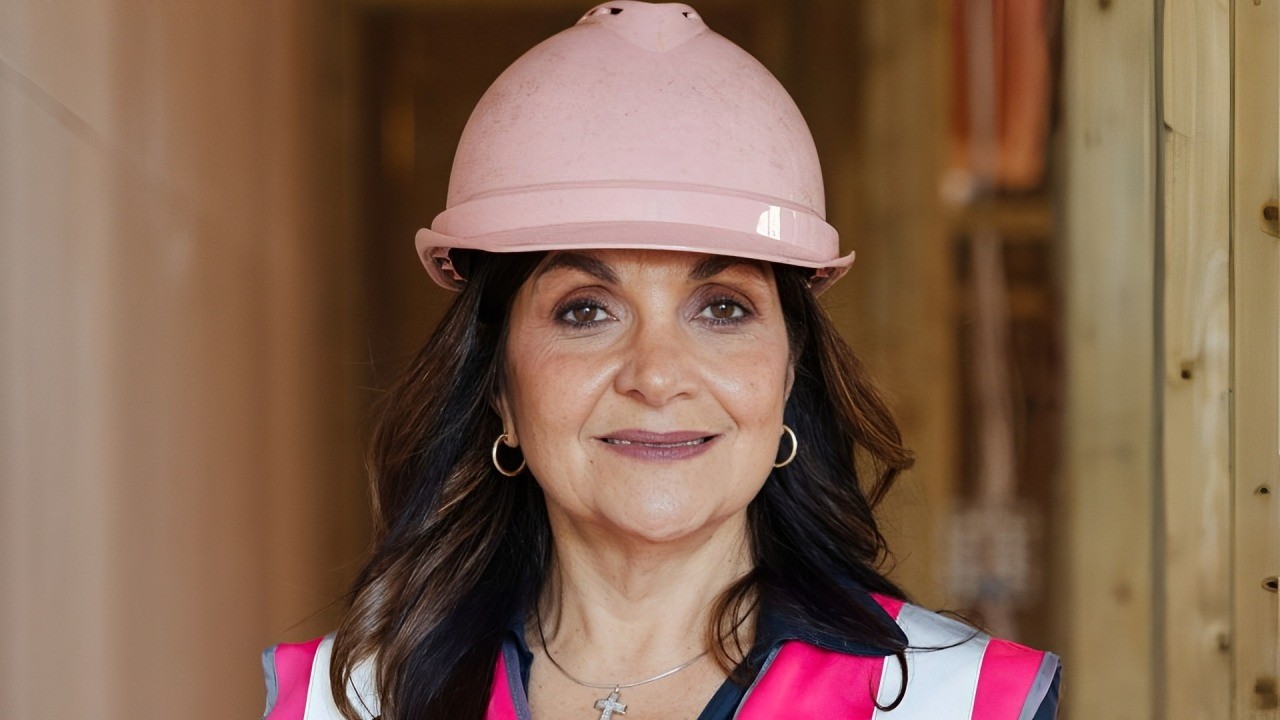
Mary Aravanopoulos Is Redefining Compliance Culture And Collaboration In Construction

“If I can save someone time and setbacks by sharing what I’ve already lived—I will. That’s the kind of impact that matters to me.” Mary Aravanopoulos

Mary Aravanopoulos career began in her family’s hardware store, where she gained an early understanding of the whole construction supply chain. She later led a successful window manufacturing and installation business for over 30 years, delivering across residential, commercial, and government projects. Today, she partners with developers, builders, and supply chain professionals to ensure compliance with new legislation. She supports the industry with practical, people-facing solutions that align with the latest building reforms.

Mary operates in the niche field of forensic defect inspection, specialising in building envelopes—bringing together her deep technical knowledge with a lifetime of hands-on experience. Her Verified Building Manuals, including Building Chain of Responsibility reforms, provide a structured, independent tool to support compliance and confidence throughout the build process.

Her ethos is simple: inclusion should be built into the process, not considered an afterthought. She believes women belong at every stage of construction and that leadership often looks like sharing what you have learned so others do not have to start from scratch.

  • Grew up immersed in the trades through her family’s hardware store, developing an early understanding of the construction world.
  • Spent 30+ years as CEO of a successful window manufacturing and installation company, building across residential and commercial sectors.
  • Transitioned into regulatory consulting, now specialising in interpreting complex building codes and driving project compliance.
  • Leads with authenticity and conviction, calling out cultural issues and setting boundaries that empower others.
  • Advocates for visibility, flexibility, and support structures for women entering construction, particularly in leadership, governance, and compliance roles.
  • Believes ambassadors must do more than inspire—they must act, mentor, and build long-term inclusion systems.
  • Grounded by the influence of her late father and a pivotal male mentor who both championed her potential without limitation.

“The key is not allowing discomfort to become culture. Call it out. Be the change. When we speak up, we don’t just protect ourselves—we create space for other women to stand tall beside us.”

In this feature, Mary shares how she has turned everyday challenges into teachable moments, why inappropriate “banter” must be called out, and how the next generation of women leaders will not just be present in the room- they will own it.

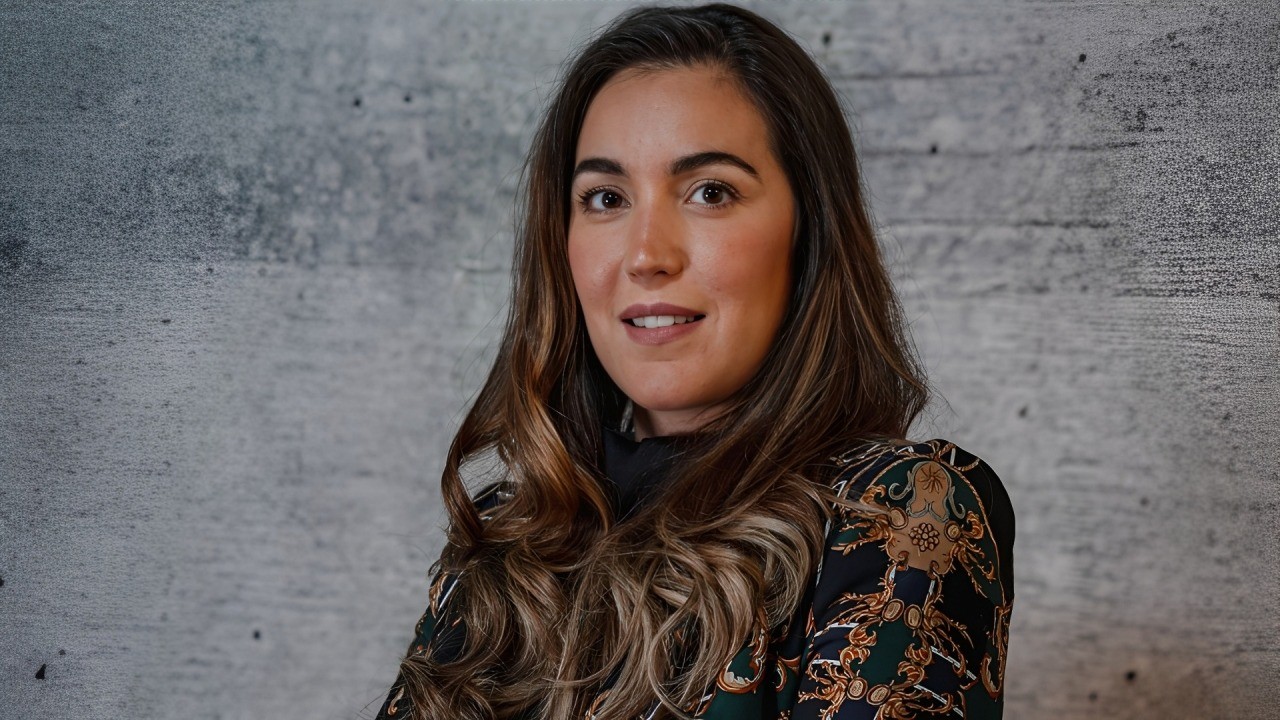
Can you share your journey into the construction industry? What inspired you to pursue this career, and what is your current role?

My journey into construction began in my family’s hardware store, where I was immersed in the language and rhythm of trade work from a young age. That experience gave me a unique perspective and sparked a lifelong commitment to quality and accountability in the building industry.

I later became CEO of a window manufacturing and installation business, which I ran successfully for over 30 years. I have worked across every supply chain tier, from residential homes to complex commercial projects. That experience and legal qualifications shaped my transition into codes, compliance, and regulatory consulting- a field where women can have an immense impact.

Over time, I saw the real cost of non-compliance: defects, delays, and shattered trust. That is what led me to specialise in interpreting building codes and regulations. Today, my consultancy is focused on construction compliance, supporting developers, builders, and product suppliers to meet their obligations confidently and clearly.

As a specialised building consultant, I offer two key services: Verified Building Manuals and Building Chain of Responsibility, delivered as an independent, people-facing partner, not an App. These services align with the latest legislation and building reforms, helping project teams stay accountable, informed, and supported across the entire build.

I also advocate for a more innovative compliance culture and focus on inspiring greater female participation in the sector, especially in technical and regulatory roles, where knowledge and integrity are vital.

What has been the biggest challenge you have faced as a woman in construction, and how have you successfully navigated it?

For much of my career, I was often the only woman in site meetings or working as a subcontractor, and that was not the exception; it was the norm. While challenging, it shaped how I work, communicate, and lead with clarity, preparation, and purpose.

One of my most important lessons is to trust your professional judgment. It is worth addressing if something does not feel right, whether it is a comment, a dynamic, or a decision. Speaking up early prevents behaviours from becoming patterns and helps shape the safe and inclusive culture we should expect for everyone in construction.

Construction sites often come with a culture of “banter,” but women experience that differently. I have had comments like, “I didn’t know you had legs,” for wearing shorts on a hot day, or “we don’t wear heels here” in a corporate setting. These comments shift attention to appearance in ways that men rarely face. I have never commented on a man’s outfit unless it relates to safety, which is the standard we should all uphold.

As women, we cannot accept these comments as harmless. Left unaddressed, they can set a tone that becomes a pattern, leading to uncomfortable or dismissive treatment. That is why we need to call it out early, professionally, and clearly.

I have navigated this by setting firm boundaries and staying focused on the work. When we lead by example and speak up, we protect ourselves and help set a higher standard for everyone coming after us.

What do you think are the most significant barriers preventing more women from entering the construction industry, and how can ambassadors like yourself help break down these barriers?

One of the most significant barriers is the myth that construction is incompatible with raising a family or having flexibility. However, women who manage households, businesses, and caregiving responsibilities are some of the most capable leaders. Skills such as time management, resilience, and multitasking are precisely what this industry needs.

We also need to shift the culture to support women from day one. That includes visible role models, flexible pathways, and platforms to speak up and be heard. As ambassadors, we do not just open doors; we show women what is possible and help them confidently walk through.

What strategies do you use to make your voice heard among the few women on worksites or in meetings?

I have been to countless site meetings throughout my career; in most of them, I was the only woman in the room. I have learned that in construction, your seat at the table is earned through experience, consistency, and the value you bring.

I speak with clarity, stay focused, and ensure I am prepared. I know my expertise and share that knowledge to support the entire team. I lead respectfully and collaboratively when working with developers, consultants, or trades.

To me, construction is a team effort. When everyone contributes their expertise and supports each other, projects succeed. You do not need to compete to be heard; you need to speak from experience and stay aligned with the bigger outcome.

What actions or initiatives would you suggest to create more inclusive spaces for women in the construction industry?

We must move past the idea that women in construction are the exception; we are already part of the industry’s future, and it is time that was reflected across every level.

Inclusion needs to be practical and visible. That means flexible work arrangements, structured support, and mentoring led by people with real industry experience. We also need clear, accessible entry points for women across all areas, from trades and apprenticeships to compliance, coordination, management, and executive roles.

When women are actively involved at every project stage, from the ground up to completion, we build stronger, more capable teams and better outcomes. Creating inclusive spaces is not about ticking boxes but building an industry culture that values contribution, capability, and collaboration.

“When we remain confident in our expertise and grounded in what we know, we open the door to true collaboration." - Mary Aravanopoulos

Do you believe ambassadors are more prominent in today’s generation than 10 years ago? If so, how has this role evolved, and why is it significant in driving change?

Yes – and the role has finally started to move beyond being symbolic.

Ten years ago, being an ambassador often meant being the face of something. You might be asked to show up for a photo, but you are rarely invited into the room where real decisions are made. That is not the kind of role I am interested in.

Today, being an ambassador means doing the work. It is about using your experience to guide others, being part of conversations that shape policy and practice, and helping create the structures that support women across every level of the industry.

This role matters because we are not just representing- we are contributing. We show what is possible and help build systems that make inclusion real, practical, and lasting.

What impact do you hope to achieve through your role as a Women Building NSW Female Ambassador, and what legacy would you like to leave for future generations?

As an ambassador, I want women to feel they belong in every room: boardrooms, site sheds, training halls. I want to create lasting frameworks that support women in construction, not only to enter the industry but to thrive in it.

My legacy is about action. I want the next generation to say: “She didn’t just talk about inclusion – she built it.” Whether advocating for policy change, mentoring emerging leaders, or helping others avoid the mistakes we have learned from, I believe we can lead this shift, one woman at a time.

Who has been a key mentor or role model in your journey—male or female—and how have they influenced your career and leadership style?

My earliest mentors were my parents, George and Helen Aravanopoulos, who ran a successful hardware store that supplied products across the entire construction chain. From a young age, I was immersed in that world, watching how they handled customers, solved problems, and kept the business running with integrity and grit. It gave me a front-row seat to how this industry works from the ground up and taught me that every role, every trade, and every product matters.

They raised four daughters in an era where gender roles were rigid, but he never once made us feel limited by that. He believed deeply in fairness, hard work, and treating everyone with equal respect, values I have carried into every site and boardroom. Their quiet confidence in me instilled the belief that I belonged wherever I chose to be.

My mother, Helen, showed me resilience and resourcefulness in action. She was the engine of the business, managing relationships, logistics, and day-to-day operations with strength and grace. Watching her handle complex demands while raising a family taught me that success in the building and construction industry is not always loud- it is often steady, calm, and purposeful.

Can you share a formative experience that shaped your leadership vision and approach? How has this influenced your role as an ambassador in mentoring and supporting others?

Raising three daughters while running a construction business taught me to lead with clarity, compassion, and resilience. I learned how to delegate, make hard calls, and hold it together under pressure, often while making dinner or solving problems on site. But most importantly, I learned that success does not mean choosing between ambition and motherhood- you can do both. That experience shaped my leadership more than any course or boardroom ever could.

Some of my proudest leadership moments came during succession planning, when I invited my daughters into honest conversations about the future of the business. That is where their vision began to take shape- Glass Haus Studios- a company built on my legacy, but entirely their own.

Their dream is bold: to become leaders in supplying high-performing, compliant windows and doors. This has been launched, so watch out; a new generation of women-led window and door suppliers is rising.

Those were not just business chats-they were lessons in legacy, self-belief, and knowing your value. I mentored them as their mother and businesswoman, showing them how to lead with integrity, build with purpose, and take their place confidently at the table.

As an ambassador, I bring that lived experience into every mentoring relationship. I do not speak in theory – I speak from lived truth. I lead with empathy and experience, and I want other women to know they do not have to become someone else to succeed. You can lead with strength and softness. You can raise families and raise standards. And you absolutely can lead.

What milestones has the construction industry achieved in advancing gender equality, and what initiatives or changes would you like to see to make it more inclusive and welcoming for women?

The launch of Women Building NSW and the NSW Women in Construction initiative have been two of the most important shifts I have seen. For the first time, we have a visible, inclusive space where women can speak openly, connect with others, and lead without needing to justify their place.

It is no longer a quiet conversation behind closed doors- it is public, professional, and powerful. These platforms are not just supporting women; they open the conversation to everyone wanting a more collaborative and diverse industry.

To build on this momentum, we need to make women a standard part of every project’s makeup, not an exception. That means building clear pathways into leadership, compliance, safety, project governance, and education on building sites. Mentorships must be practical, flexible, and led by people who have done the work. Inclusion cannot just be an initiative- it must be embedded in our build.

What is your advice for women considering a career in construction, and how can ambassadors like yourself help make their journey smoother?

Own your voice. Own your space. Do not wait to be chosen- choose yourself.

This industry is changing, and your presence is part of that change. There is room for you in every layer of the construction process- on-site, off-site, behind the plans, or in front of the clients. Your difference is your strength.

As ambassadors, we are committed to helping you succeed through encouragement, access, connection, and practical support. We are not here to be figureheads but to walk with and build alongside you. Let’s create a new culture, one woman at a time.