Stories

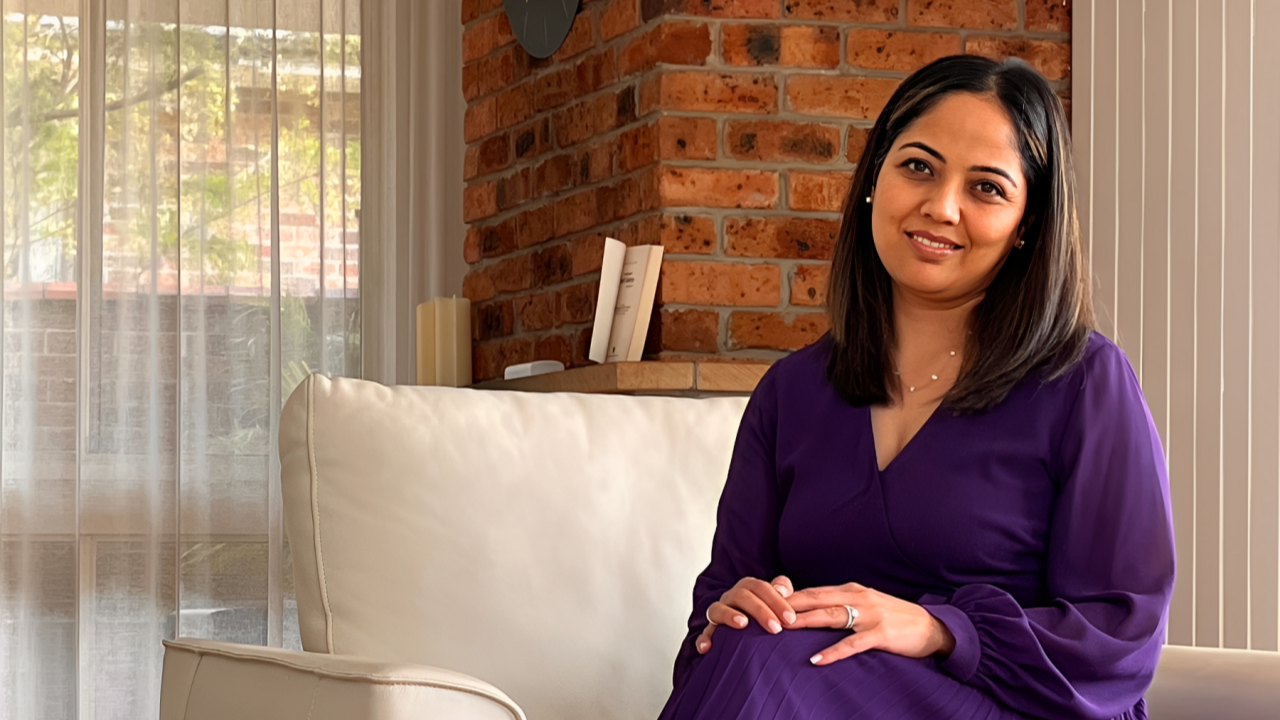
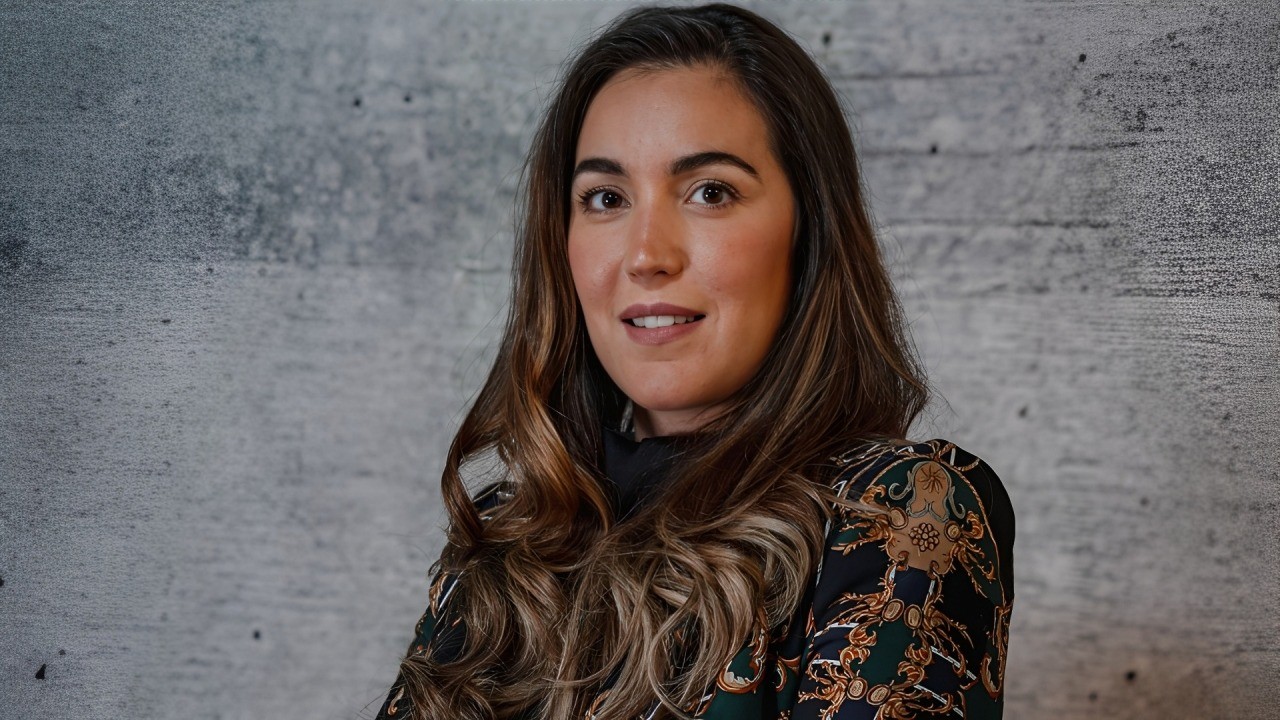
Puja Khanna Is Designing Spaces, Breaking Barriers, And Building Equity In Construction

“I didn’t wait for permission to lead. I showed up, spoke up, and stayed at the table.” – Puja Khanna

Puja’s journey, shaped by early influences in India and forged through a career spanning India, Hong Kong, and Australia, reflects a deep commitment to equity, resilience, and purposeful leadership. As Associate Director at Ellipse Property, she blends design vision with commercial sensibility, championing inclusive practices across every development layer.

  • Born and raised in India, Puja was inspired by her father’s respect for architecture and pursued a career in the field, later working across India, Hong Kong, and Australia.
  • As Associate Director at Ellipse Property, she blends design vision with commercial sensibility, overseeing marketing, sales, and design for residential developments.
  • Navigated the challenges of a male-dominated industry by building relationships, proving expertise, and maintaining professionalism amidst complex dynamics.
  • A strong advocate for inclusive work environments — believes real change begins with educating men and reinforcing respectful behaviours on-site and in meetings.
  • Pushes boundaries by mentally adopting assertive strategies to make her voice heard and ensure equal footing in high-stakes conversations.
  • Inspired by mentors like Sam El Rihani, Divya Mehta, Diana Sarcasmo, and Giverny Reid — leaders who exemplify resilience, humility, and strategic clarity.
  • Passionate about mentoring women and creating a legacy where ability defines success, not gender, normalising women in construction leadership roles.
  • Believes visibility and advocacy are crucial — leveraging her platform to challenge bias, influence culture, and drive structural change.
  • Urges women entering construction to trust their voice, build networks, and embrace mentorship as a tool for empowerment and progress.

‘I didn’t wait for permission to lead. I showed up, spoke up, and stayed at the table.’

In this feature, Puja shares how she claimed her space in a male-dominated industry, the values and mentors that shaped her leadership, and the legacy she hopes to leave for future generations of women in construction.

Can you share your journey into the construction industry? What inspired you to pursue this career, and what is your current role?

Growing up in India, I was always drawn to design, art, and aesthetics. My father, a waterproofing contractor, deeply respected architects, which influenced my decision to pursue architecture.

After studying architecture at a leading university in India, I worked in interior design in Hong Kong for eight years before moving to Australia.

The transition was challenging, but I found my place at Ellipse Property as Associate Director, overseeing marketing, sales, and design for our development projects. Today, my role is merging good design with commercial viability, ensuring our developments offer functionality and beauty.

What has been the biggest challenge you have faced as a woman in construction, and how have you successfully navigated it?

The biggest challenge I faced as a woman in construction was working in an environment where I was often surrounded by men who lacked soft skills and were quick to express anger.

In a male-dominated field, asserting my voice required consistent effort and confidence. I navigated these challenges by building strong relationships, letting my work speak for itself, and demonstrating my expertise.

Over time, this approach earned me credibility and respect, proving that professionalism and collaboration can overcome even the most difficult dynamics.

What do you think are the most significant barriers preventing more women from entering the construction industry, and how can ambassadors like yourself help break down these barriers?

One of the most significant barriers preventing more women from entering the construction industry is the disrespect and lack of inclusivity they often face on-site. Many women are quickly discouraged when they encounter environments that are not welcoming or supportive.

While intentionally creating equal opportunities for both genders is crucial, we must also focus on educating male colleagues about fostering inclusive environments. Simple actions, like incorporating reminders in daily morning training sessions about the presence of female team members and encouraging mindfulness in conduct and communication, can make a significant difference.

What actions or initiatives would you suggest to create more inclusive spaces for women in the construction industry?

If we genuinely want to see change, the following three actionable points can make a significant difference: mentoring, flexibility, and having a family-friendly workplace.

  • Mentor actively: If we have made it through the door, we must open it for others. We shift the culture by mentoring women at every level — from site to boardroom.
  • Build true flexibility: The industry must adapt to how women work, not vice versa. Flexibility in time and place is not a favour; it is imperative for businesses to retain talent.
  • Support working parents: Family-friendly policies must be real, not lip service. From flexible rosters to return-to-work programs, we must make it possible for women to thrive through all life stages.
"I designed my career the same way I design spaces — with purpose, bold decisions, and a vision for what’s possible." - Puja Khanna

What actions or initiatives would you suggest to create more inclusive spaces for women in the construction industry?

If we genuinely want to see change, the following three actionable points can make a significant difference: mentoring, flexibility, and having a family-friendly workplace.

  • Mentor actively: If we have made it through the door, we must open it for others. We shift the culture by mentoring women at every level — from site to boardroom.
  • Build true flexibility: The industry must adapt to how women work, not vice versa. Flexibility in time and place is not a favour; it is imperative for businesses to retain talent.
  • Support working parents: Family-friendly policies must be real, not lip service. From flexible rosters to return-to-work programs, we must make it possible for women to thrive through all life stages.

Do you believe ambassadors are more prominent in today’s generation than 10 years ago? If so, how has this role evolved, and why is it significant in driving change?

Absolutely. A decade ago, there were fewer platforms for women in construction to share their experiences. Today, with social media and industry events highlighting diversity, ambassadors play a critical role in changing narratives, breaking stereotypes, and inspiring more women to join. It is no longer just about representation but about influence and structural change. I enjoy observing other female leaders as they advance and grow in their careers through social media, and this brings me much encouragement.

What impact do you hope to achieve through your role as a Women Building NSW Female Ambassador, and what legacy would you like to leave for future generations?

I want to normalise women in leadership roles within construction and development. If I can help even a handful of women overcome the barriers I faced—whether by mentoring, advocating for inclusive hiring, or changing workplace culture—that would be an achievement. I want to leave a legacy of access and opportunity, where a woman’s ability, not gender, defines her career trajectory.

Who has been a key mentor or role model in your journey—male or female—and how have they influenced your career and leadership style?

Many people have shaped my journey from childhood, but in recent times, key mentors and role models include:

  • Sam El Rihani – His leadership and vision have taught me perseverance, clarity, and strategic thinking.
  • Divya Mehta (CEO, Decode) – My sister’s confidence, resilience, and grace in leadership have set a high standard for me to emulate.
  • Diana Sarcasmo (MD Residential, Colliers) – Her remarkable journey and ability to take on bigger roles with absolute humility set an inspiring example for women in the construction and property sectors.
  • Giverny Reid (&Only) – Her persistence and ability to consistently smash her goals amaze me.

Each of these individuals has shaped my leadership style, reinforcing the values of resilience, humility, and a commitment to empowering others.

Can you share a formative experience that shaped your leadership vision and approach? How has this influenced your role as an ambassador in mentoring and supporting others?

Moving to Australia and being told I needed “local experience” despite my extensive background was a defining moment. It taught me the importance of breaking barriers for others. As an ambassador, I now advocate for giving skilled professionals opportunities, and I mentor women facing similar challenges to help them confidently navigate their careers.

What milestones has the construction industry achieved in advancing gender equality, and what initiatives or changes would you like to see to make it more inclusive and welcoming for women?

The fact that we have started discussing it and finding solutions is an excellent step in the right direction. We need to focus on closing the pay gap, ensuring career progression for women in technical roles, and making work environments more family-friendly to accommodate the unique challenges working mothers face.

Another crucial step is educating male colleagues about fostering inclusive environments. Regular training sessions on worksites can include discussions about the importance of diversity, mindful communication, and respecting female colleagues.

What is your advice for women considering a career in construction, and how can ambassadors like yourself help make their journey smoother?

To any woman considering a career in construction, my advice is simple: go for it.

Build your network, seek out mentors who can guide you, and trust in your abilities—you belong in this industry as much as anyone else.

As ambassadors, we are responsible for making this path easier for others.

I always try to think from an ambassador’s perspective when new opportunities arise. I remind myself to challenge biases and look at decisions through a lens of fairness and inclusion. If we can do that, we shall leave the industry in a much better place for the women who come after us.